By Shahbaz Rana
Published in The Express Tribune on August 08, 2024
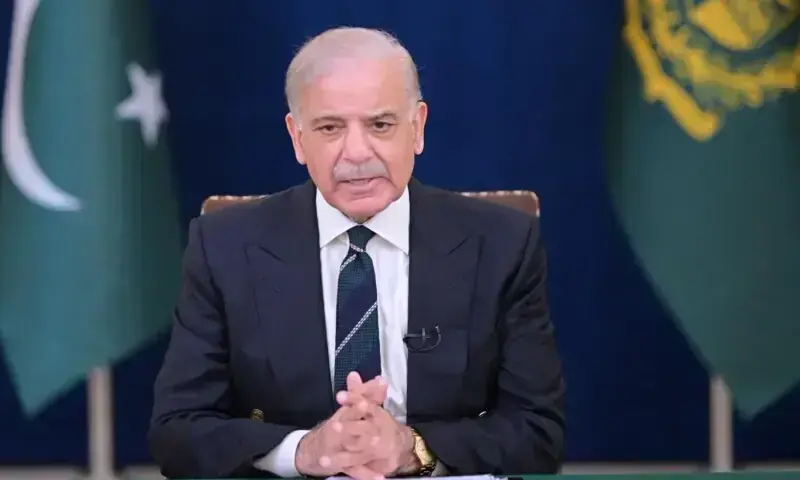
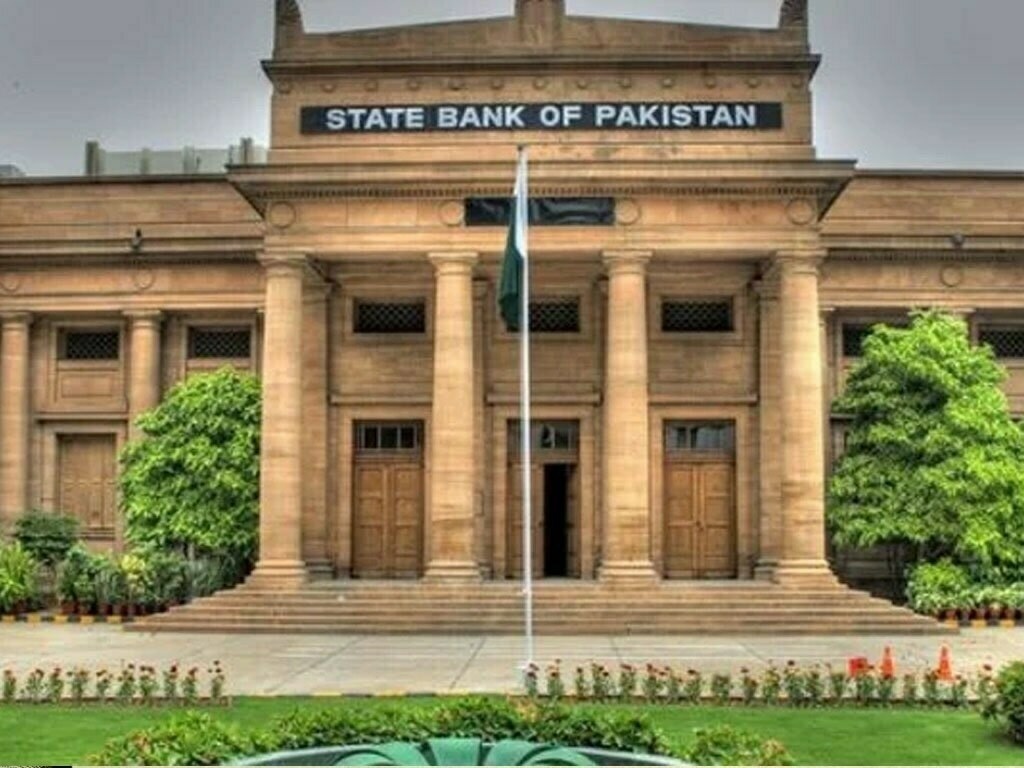
ISLAMABAD: Pakistan’s central bank Governor, Jameel Ahmad, announced on Wednesday that inflation might surge in the coming months due to budgetary measures, rising energy prices, and the ongoing situation in the Middle East. However, he assured that the foreign debt repayment crisis is now over.
He further stated that Pakistan’s foreign exchange reserves cover remains below the minimum threshold, standing at just 1.6 months’ worth of imports, despite the reserves doubling in the past year.
In a policy statement before the National Assembly Standing Committee on Finance, Ahmad said that despite some upcoming developments that could spike prices, inflation may remain in the range of 11.5% to 13.5%. The Pakistan Peoples Party (PPP)’s Syed Naveed Qamar chaired the meeting.
“Core inflation remains very high at 13.8%, so a cautious monetary policy will continue,” said the governor.
He warned that recent budget measures, increased energy and wheat prices, and the worsening situation in the Middle East could further spike inflation rates. These factors are partly accounted for in the 11.5% to 13.5% inflation forecast. He also mentioned that the Middle East situation could lead to higher crude oil prices, impacting reserves and inflation.
Expansionary fiscal policies and unmet foreign loans could push inflation higher than projected, Ahmad added. He also set a target to bring down inflation to 7% in the next fiscal year.
The SBP governor had to face tough questions about maintaining interest rates significantly higher than inflation rates. Members of the committee expressed serious concerns over the 19.5% interest rate, which they said was stifling economic growth, with headline inflation at 11.1% in July. Ahmad explained that the central bank aims for sustainable growth rather than short-term boosts.
“Economic growth rate may remain in the range of 2.5% to nearly 3.5%, which will be close to the last 10 years’ average,” he said. “We have an option to either grow for two years and then slow down the economy or grow at a lower but sustainable rate,” said Ahmad.
The governor defended keeping the interest rates far higher than inflation rates, saying they helped control the increase of currency circulation and also bolstered the bank deposits. To a question, the governor said that the central bank was not targeting a specific level of positive interest rates.
Jameel said that the foreign exchange reserves have increased without raising external debt through open market operations. However, he declined to disclose the quantum of these purchases in the last fiscal year, saying that they are ongoing.
Regarding debt repayments, Ahmad stated that Pakistan’s external debt repayments for the current fiscal year are estimated at $26.3 billion, with $16.3 billion expected to be rolled over. He mentioned that the net repayments would be $10 billion and arrangements have been made. Pakistan seeks $12 billion in cash deposit rollovers from China, Saudi Arabia, and the UAE, along with $4 billion in Chinese commercial bank loan rollovers, he said.
The country has made adequate arrangements to repay the $26.3 billion foreign debt in this fiscal year, and the current account deficit is now manageable. Despite these repayments, Ahmad assured that the central bank’s foreign exchange reserves would rise from $9.1 billion to over $13 billion by June next year.
The SBP governor stated that there is no reason to worry, as even after making the repayments, the foreign exchange reserves are expected to increase to $13 billion by June next year.
Long way to go
Ahmad outlined four key areas for improvement to ensure stability in the country’s external sector.
He explained that structural reforms are needed to keep inflation low and achieve higher economic growth on a sustainable level. The foreign exchange reserves adequacy ratio remains low at 1.6 months of import cover compared to India’s 10.2 months and even Sri Lanka’s 3.9 months, said the central bank governor.
The exports-to-GDP ratio also remains low at less than 10% compared to India’s close to 25%, he said. Labour productivity, government revenues, savings, and investment ratios are also significantly lower than regional peers, he added.
He said that due to demand compression policies, the current account deficit has come down to a manageable level. The current account deficit remained below $700 million in the last fiscal year, which could have been restricted to nil but allowed the higher repatriation of profits to foreign investors, he added.
Ahmad stated that there are no more restrictions on imports, as non-oil imports were even slightly higher at $3.2 billion a month. Before the central bank imposed restrictions on imports last year, non-oil imports were $3.1 billion, he added.
The slowdown of the economy and the reduction in the oil import bill were the reasons behind overall lower imports, he noted.
Remittances have consistently remained at $3 billion a month due to a stable exchange rate and a crackdown against smuggling, he said.
“The external gaps are within manageable levels, and there is nothing to worry about anymore,” said the Minister of State for Finance Ali Pervaz Malik. He stated that the economic outlook was stable and the International Monetary Fund deal is almost near closure. He said that the exchange rate was stable but declined to comment on whether it would remain the same.