
Published in The News on February 10, 2026
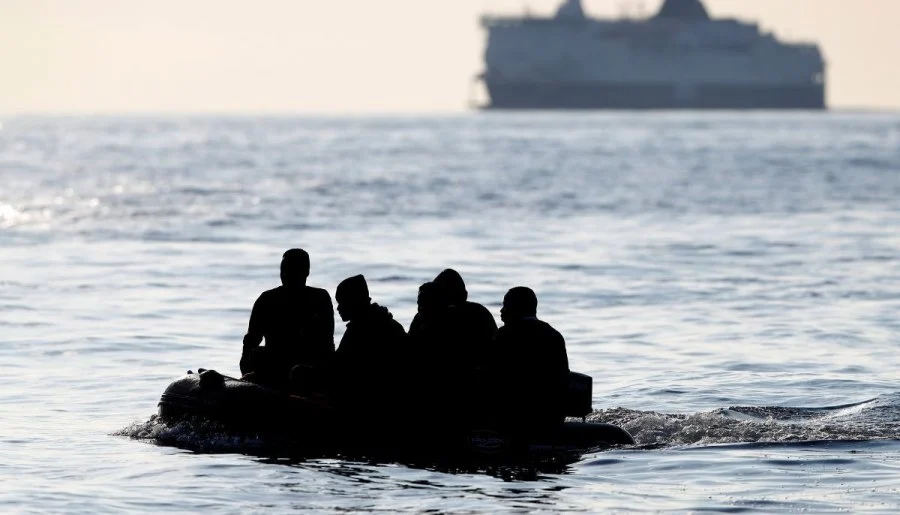
At least 53 people, including two infants, have died after a rubber boat carrying 55 passengers capsized off the coast of Libya, the UN migration agency has said.
The only survivors, two Nigerian women, were rescued by Libyan authorities on Friday, the International Organisation for Migration (IOM) said on Monday.
They received emergency medical care after losing family members in the disaster.
According to AFP, the boat sank roughly six hours after leaving the coastal city of al-Zawiya, north-west Libya, carrying migrants and refugees from several African countries.
Survivors told IOM the vessel overturned in the early hours of Friday north of Zuwara.
The tragedy highlights the growing risks faced by migrants trying to cross the Mediterranean.
The IOM says almost 500 people have been reported dead or missing on the route from Libya so far in 2026, with at least 375 lost in January alone.
Libya has long been a departure point for migrants from sub-Saharan Africa seeking to reach Europe, a flow that increased after the 2011 fall of Muammar Gaddafi. Despite repeated disasters, crossings continue amid dangerous winter conditions.