Published in The News on October 06, 2022
ISLAMABAD: The Minister of Finance, Ishaq Dar, is scheduled to leave for Washington D.C next week for attending the annual meeting of the Breton Wood Institutions (BWIs) of IMF and World Bank.
According to top sources, on the sidelines of upcoming meetings from October 10 to 16, Pakistan will make a formal request to the IMF high-ups for revising the macroeconomic framework for the current fiscal year 2022-23 by lowering the GDP growth rate, hiking inflation and upwardadjustments of twin deficits known as budget deficit and current account deficit.
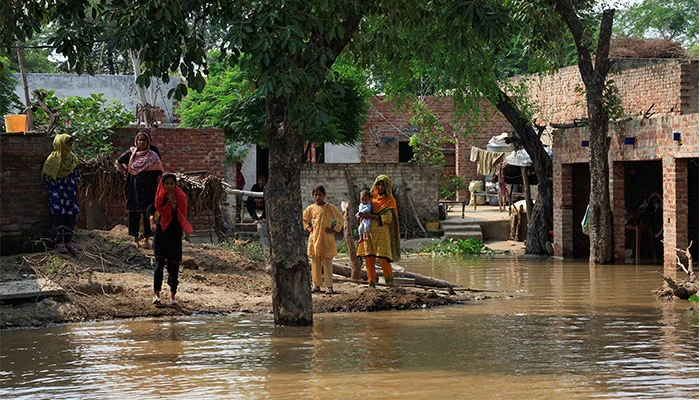
Islamabad is all set to make a request to the IMF for making the conditions attached to the Extended Fund Facility (EFF) lenient, especially freezing fuel price adjustment of electricity and petroleum development levy on POL products for the next few months to provide some relief to the inflation-stricken masses. Pakistan will also request to relax the budget deficit target for the current fiscal year as severe floods might damage its revenue mobilisation efforts and increase pressures on the expenditure front. The government has restricted the budget deficit target at 4.9 per cent for the current fiscal year under the IMF programme and throwing a revenue surplus of Rs153 billion till end June 2023. The request for revising the macroeconomic framework will be made for the current fiscal year in the wake of severe floods that have caused devastation and required construction costs of over $30 billion for the struggling economy of Pakistan.
The upcoming annual meeting of the IMF/World Bank will take place from October 10 to 16 in Washington D.C. “Pakistan’s Minister for Finance Ishaq Dar will participate in the upcoming annual meeting of the IMF/WB,” a top official of the Finance Ministry confirmed while talking to The News on Wednesday. Secretary Economic Affairs Division Kazim Niaz had already departed Islamabad for Washington for attending the upcoming meetings of BWIs.
Under the macroeconomic framework, the government has assessed that the country’s GDP growth might hover around 2 per cent for the current fiscal year against the initially envisaged target of 5 per cent. The economic loss has been estimated at Rs2.4 trillion for the current fiscal year. It was estimated that unemployment will be increased due to the loss of 1.8 to 2 million jobs and poverty may hike by 4.5 to 5 per cent, implying that 9 to 12 million people will fall below the poverty line.
The agriculture growth is feared to remain negative in the range of -0.7 per cent to -2.1 per cent against the target of plus 3.9 per cent for the current fiscal year. The government has estimated that the growth in major crops was expected to remain negative in the range of 14 to 15.4 per cent for the current fiscal year. Around one million large and small animals have perished. The livestock growth is expected to remain between 2 to 3 per cent against the desired target of 3.7 per cent for the current fiscal year.
The inflation will hike, to go up in the range of 23 to 25 per cent for the current fiscal year against the initially envisaged target of 11.5 per cent. The government has not yet firmed up any specific number for the current account deficit but it is feared that it may go up from $9 billion to $12 billion for the ongoing financial year mainly because of decline in exports.