By Mehtab Haider
Published in The News on November 18, 2021
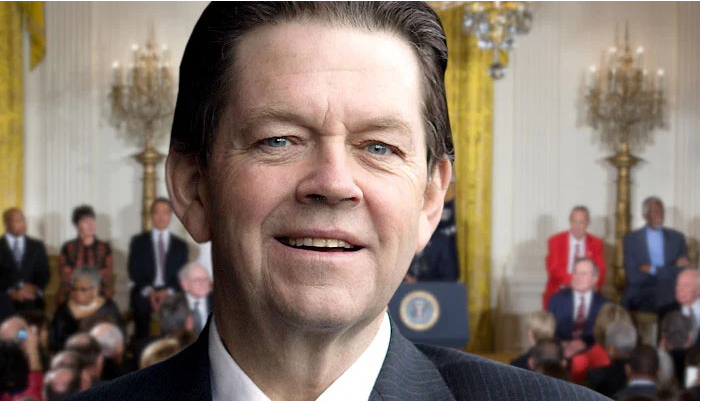
ISLAMABAD: Renowned visiting US economist Dr Artur B Laffer has said that Pakistan would have to fix its currency against the US dollar and ensure free trade to achieve prosperity and refrain from listening to the advice of the IMF and World Bank.
In a keynote address on Pakistan Prosperity Forum 2021 organised by PRIME here on Wednesday, the US economist outlined six-pillar agenda for bringing prosperity in Pakistan and other parts of the world, including introducing low rates with a broad-based taxation system, rationalizing government spending, strong currency, minimizing regulatory requirement, ensuring free trade and going ahead with privatization to get rid of running state-owned enterprises by doling out national exchequer.
He said that economic growth could lift the poor from the cruel clutches of poverty and not the welfare payments. He was of the view that there was a need to give incentives for hard work instead of making it as disincentive. “Don’t let the IMF/WB dictate you because you are not a slave to them,” Dr. Arthur Laffer said and added that there was no need to lose another generation by implementing the advice of multilateral creditors.
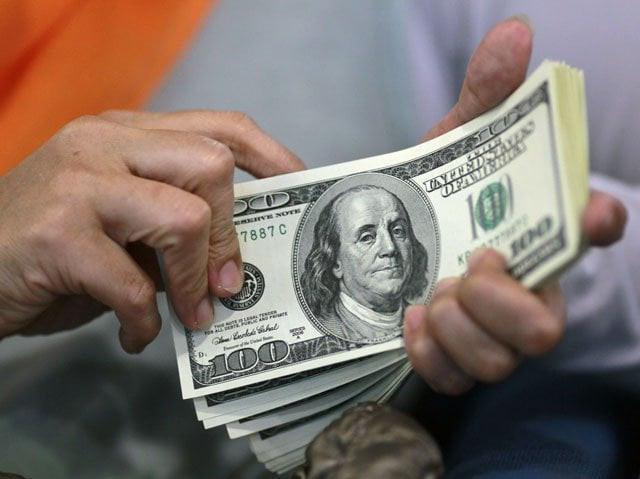
He suggested some interesting aspects to bring prosperity in Pakistan and argued that the devaluation of Pak currency on the advice of multilateral donors resulted in hiking inflationary pressures, so the currency should be pegged with the dollar.
A fixed currency would ensure predictability on the economic horizon of the country. Secondly, he said that there was a need for free trade as tariff distortions would always create stumbling blocks to promote trade. He said that free trade ensures a win-win situation for all stakeholders. He said that the low rates but broadening of tax base always helped the country to grow more at a faster pace.
He cited the examples of the USA where the cut in tax rates resulted in increased tax collection. He said that the personal income tax should be brought down as it was brought down from 11 brackets to just 2 brackets in the USA. The Personal Income Tax was reduced from 56 percent to 28 percent while the corporate tax rate was reduced from 36 to 34 percent. He said that it was ‘no sense tax policy’ to provide tax credits and different kinds of tax exemptions but it created distortions to run the smooth taxation system.
He cited the examples of Turkey and said that they were doing well on the economic front because they sold out many state-owned enterprises including Turkish Airlines and now it had become one of the best airlines flying in Europe. There is no reason why Pakistan cannot do the same, he added in the same breath.
Dr Arthur B. Laffer, the renowned supply-side economist, expressed his views on Pakistan’s economic prosperity as “Pakistan should be where it could be. Free markets are more needed today than at any other time. Economics is all about incentives. Government regulations and taxes are hurdles in the path of incentives, are in fact negative incentives. Taxes are used to discourage bad behaviors like restricting smoking by imposing taxes. But, when we tax income then earning more becomes less attractive, and economic activity declines.
The size of governments is increasing in the world and taxes are imposed to finance those expenses. Pakistan with low per capita income should not be spending more as government expenditures by generating revenues through taxes”, he concluded.