By Mariana Baabar
Published in The News on June, 19, 2026
ISLAMABAD: Pakistan on Thursday said it believed that the ‘Women, Peace and Security’ agenda must be implemented through practical, context-specific and nationally owned measures.
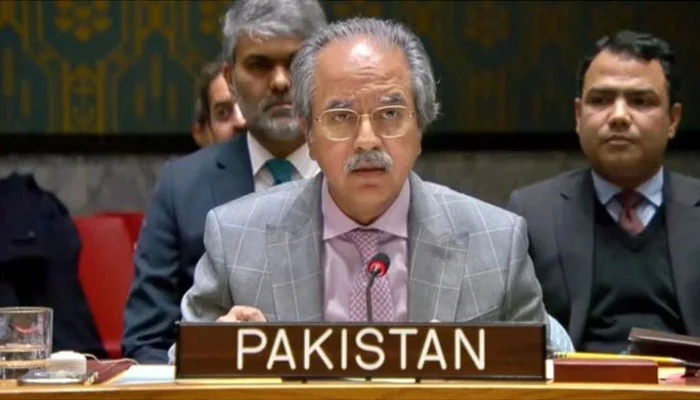
“Pakistan is playing its part to advance this agenda. In Pakistan, women have served with distinction in diplomacy, peacekeeping, politics, public service, law enforcement, civil society and humanitarian response. And Pakistani women peacekeepers continue to contribute to United Nations missions with professionalism and courage, reflecting our commitment to inclusive peace and security,” said Ambassador Asim Iftikhar Ahmad, permanent representative of Pakistan to the UN.
His remarks were made at the Security Council Open Debate on Women, Peace and Security “Peace Is Decided with Women: Emerging from Conflict through Women’s Participation”.
“Pakistan reaffirms its commitment to the full, equal and meaningful participation of women in all efforts for peace, security and development,” he assured the forum. “We wish to highlight some priorities to translate this vision into reality: First, women’s participation in peace processes must be made systematic, not symbolic.”
Spelling out Pakistan’s five recommendations, the ambassador said the United Nations and regional organisations should ensure that mediation teams, negotiation delegations and peace support mechanisms include women at senior levels.
“Also participation must be safe and this was a point highlighted here again. Women peacebuilders, human rights defenders, journalists and community leaders often face intimidation, online abuse, reprisals and violence. The Council should call for stronger protection measures, including early-warning mechanisms, secure channels for engagement with the United Nations, and accountability for attacks against women peacebuilders,” he suggested.
Third, women’s participation must be matched with adequate resources.
Also, post-conflict recovery must integrate gender perspectives from the beginning. Reconstruction plans should prioritise women’s access to education, health care, documentation, justice, land, livelihoods and political participation.
Fifth, the Council must address the root causes that deny women peace and security, including prolonged conflicts, foreign occupation, poverty, discrimination and impunity.