Published in geo.tv on April 10, 2022
- Atif Mian criticises PTI government for not doing what was necessary for economy’s uplift.
- Says government never wriggled out of balance of payment crisis.
- Adds that Imran Khan’s government sought shortcuts.
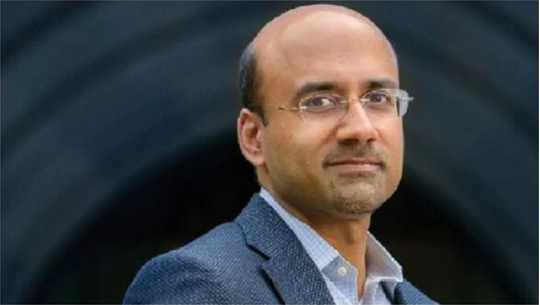
Renowned Pakistani-American economist Atif Mian says Imran Khan inherited a bad economy but left it in even worse shape. He said that after the COVID-19 pandemic came to a close, Pakistan again started facing “serious trouble.”
Taking to Twitter right after former Prime Minister Imran Khan was vetoed out of office Saturday night, Atif Mian said, “There’s been zero increase in average income, and Pakistan never got out of the balance of payment (bop) crisis.”
“Covid gave temporary respite to bop crisis as oil imports and domestic demand contracted due to pandemic, but with pandemic receding, Pakistan is back in serious trouble.”
There's been zero increase in average income, and Pakistan never got out of the balance of payment (bop) crisis
Covid gave temporary respite to bop crisis as oil imports and domestic demand contracted due to pandemic, but with pandemic receding, 🇵🇰 is back in serious trouble
— Atif Mian (@AtifRMian) April 9, 2022
He continued on his Twitter thread, saying the PTI government lacked understanding of the economic challenges and it failed in proper planning as well. “The larger failure was an incapacity to understand Pak’s macro challenges. PTI inherited a currency crisis that was already months in motion. Yet the new govt had done no planning. Precious time & reserves were wasted with silly schemes.”
The economist also raised a question on why Pakistan could not emerge out of its balance of payments trouble with a sustainable growth when external adjustment was forced upon the government.
He went on to answer his own question, saying it is because the government went for the usual short cuts, including capital account for speculative portfolio investment, unproductive real estate investment, subsidising an elite-favouring rentier economy and going on foreign begging trips etc.
When finally external adjustment was forced upon the gov, it could have enacted new policies to ensure that Pak:
(a) gets out of bop trouble, (b) gets on a *sustainable* growth path
But even (a) never happened, (b) had no chance
Why?
— Atif Mian (@AtifRMian) April 9, 2022
What should have been done was not done, e.g.
Engineering an ambitious energy-independence policy, w/out which Pakistan cannot have sustainable growth
This would have required pulling the best renewable energy scientists into the country and giving them discretion and resources
— Atif Mian (@AtifRMian) April 9, 2022
Atif also lamented the government should have engineered an ambitious energy-independence policy without which Pakistan cannot have sustainable growth. He added that the step would have required pulling the best renewable energy scientists into the country and giving them discretion and resources.
He stressed growth is a serious business, but instead the government opted for the emotional appeal of a “dam fund”.
It requires building value-chains inside your country, it requires building capacities of your people, your firms, your government, he wrote.
It is extremely unfortunate that a government that millions had pinned high hopes on, has ended in such colossal failure
I hope those who come next learn from this, and their own past failures
— Atif Mian (@AtifRMian) April 9, 2022
Concluding his comments, Atif hoped that the incoming government will learn from what happened previously and what they themselves have done wrong in their previous tenures.