Published in Dawn on December 08, 2025
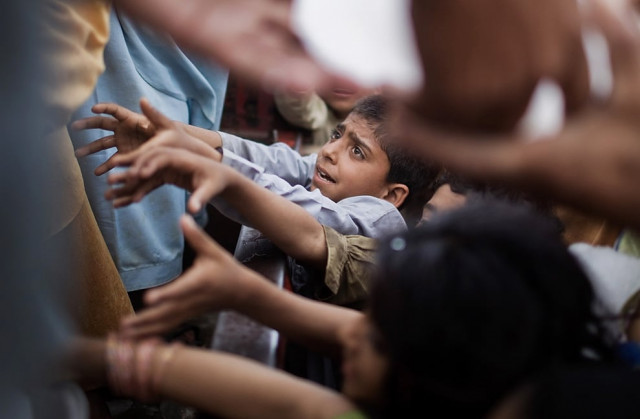
THE recent Pakistan Population Summit organised by DawnMedia laid it out plainly: the country cannot keep growing at its current pace. We stand at more than 241m people and numbers are expected to cross 330m by 2050. Pakistan is hurtling towards a future it is not even remotely prepared for. Experts at the summit did not mince their words, calling the situation a “ticking time bomb” and warning that the country is on the brink of a “demographic disaster” if it continues to delay action.
Discussions highlighted how this rapid growth is already affecting everyday life. Pakistan sees around 4.5m births each year, putting huge pressure on hospitals that often lack enough beds, medicines or skilled staff. Schools struggle with overcrowding, and nearly 23m children remain out of school, one of the largest numbers in the world. Cities continue to expand without proper planning, creating unsafe housing, worsening traffic and collapsing sanitation systems. Water scarcity is increasing, and job creation is far below what is needed to support a young population of which 64pc is under 30. The summit also pointed out that part of the problem lies in how our institutions work. Health, education and population welfare departments often operate separately, resulting in duplicated efforts and missed opportunities. In many areas, especially rural districts, women still struggle to access reliable family planning services. The fertility rate remains above three children per woman, much higher than countries that have stabilised their populations. Deep-rooted social norms continue to restrict women’s choices about birth spacing and healthcare. Speakers argued that no country has lowered fertility without placing women at the heart of policy and Pakistan will not be the first. A difficult but important point was raised about the way Pakistan distributes funds. Provinces with larger populations receive more resources. This creates a political incentive not to talk about population control.
Still, the summit did not stop at warnings. It proposed a national population charter, stronger parliamentary oversight and better coordination between departments. It called for wider access to family planning, stronger primary healthcare, more investment in girls’ education and greater opportunities for women to join the workforce. These steps have been discussed before but what Pakistan needs now is follow-through. The country has reached a point where inaction will cost far more than reform. Managing the population is not only about numbers; it is about giving every child a fair chance, ensuring families can access basic services, and building an economy that can support future generations. Pakistan needs a steady leadership, honest communication, and a willingness to confront difficult social debates. The summit got the ball rolling. It is now up to policymakers to act before the country crosses a threshold it may not recover from.