Dr. Nasra M. Shah, Professor at Graduate Institute of Development Studies (GIDS), Lahore School of Economics co-organized a virtual workshop with Dr. Francoise De Bel-Air on “COVID-19 Health and Socio-economic Crises: Consequences on Population and Migration in the Gulf”. The workshop was held on July 23-24 under the Gulf Research Meeting (GRM) 2021 at Cambridge University, UK. Nine papers on the topic were presented by participants located in a variety of countries including Bahrain, Beirut, India, Egypt, Djibouti, and the UK.
The papers addressed issues related to impacts of the Covid-19 pandemic on the migrants working and living in host countries in the Gulf as well as sending countries in South Asia and Africa. Alekry highlighted the exacerbated vulnerability of Gulf economics following the pandemic, and suggested that the Gulf countries should re-consider their economic model of growth based on the import of cheap labor. Moheyeldin expressed similar views and emphasized the need for diversification of Gulf economies. She also called for better regional economic integration to avoid disastrous consequences of the pandemic and declining oil prices on the Gulf countries. In the context of the declining job opportunities, Zohry expects that the Gulf countries will institute additional restrictive policies for the inflow of foreign workers, and a tendency towards outsourcing jobs instead of in-sourcing labor migrants. At the same time, xenophobia and ‘hatred’ towards foreigners is likely to increase as found by Alrasheed in his surveys of Gulf nationals.
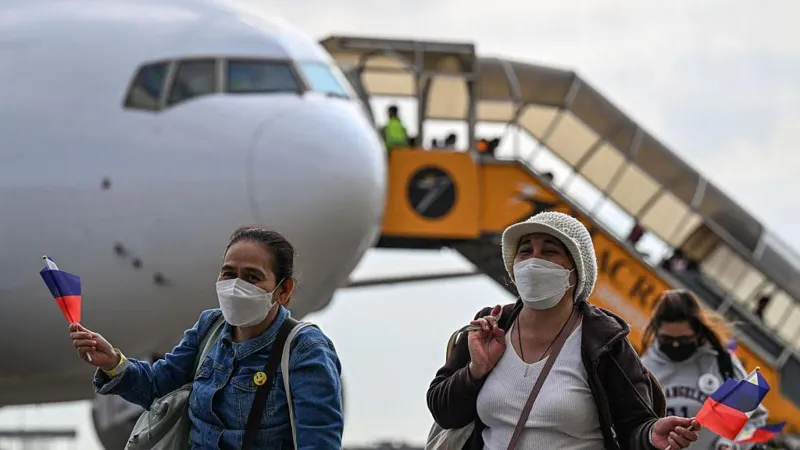
Various papers addressed the consequences of the pandemic on migrant workers, in terms of job loss, reduction in salaries, a higher incidence of non-payment of outstanding wages, and being stranded in the host country. Chire and Ali described the situation of stranded migrants along the Djibouti-Yemen border, and recognized the positive impact of the pandemic in terms of cooperation between the countries of the Horn of Africa to manage and repatriate returning and stranded migrants. Impacts on psychological well-being of Indian expatriates in Saudi Arabia were assessed by Fazli and Faridi. Through an online survey, they found that migrants felt that their general health and overall perceived well-being had suffered. Those aged less than 50, women, and the relatively higher income groups reported larger declines in psychological well-being than their respective counterparts.
Finally, Kagan and Cholewinski addressed a broader issue of governance relating to the reform of the kafala (sponsorship) system used for managing and regulating the entry, stay, employment, and immigration status of migrant workers. They argued that the pandemic and the fiscal crisis in the Gulf afforded an opportunity to reform the system in terms of facilitating a worker’s occupational mobility and reducing the possibility of worker exploitation by the kafeel (sponsor).
Thus, the workshop participants addressed a host of topics relating to the impacts of the Covid-19 pandemic on the general economic status of the host countries that would determine the demand for migrant workers in future. A general conclusion was that
several problems faced by migrants that pre-existed the pandemic had gained sharpened focus of researchers and policy makers. The precarious working and living conditions of the low-skilled workers who form a majority of all migrants in the Gulf may suffer further threats in a shrinking job market and increasing competition among workers. A close monitoring of the impacts and active cooperation among the sending and receiving countries will be required to safeguard the well-being of the workers and their continued contribution to the home and host countries.
Copies of the papers may be found on the GRM website.